Garbage In Our Oceans
The Great Pacific Garbage Patch
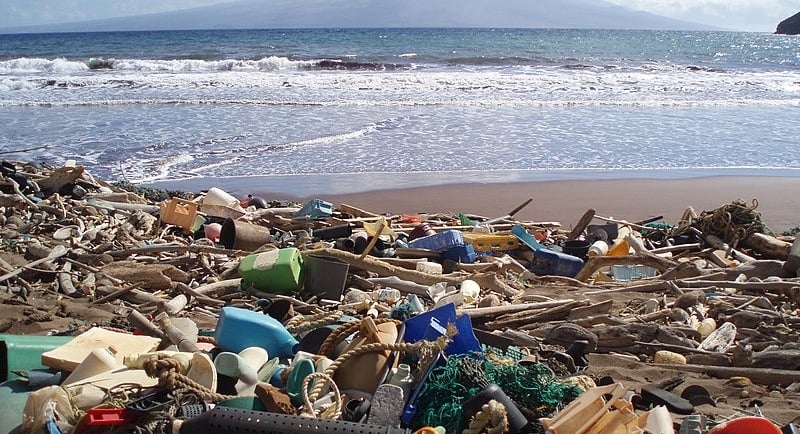
The Great Pacific Garbage Patch and its impact on the ecosystem
You may be thinking that is a photography site, so "Garbage in Our Oceans" may be off topic. But photography is not always about pretty pictures of flowers and cute babies or cute dogs. I use photography as a medium to portray and communicate my beliefs, my opinions, and my ideas. There is nothing more concerning to me than the destruction of our planet and its impact on humanity. All for a buck. The mentality of our leaders and the general population have me furious. World leaders are supposed to be educated and smart. I still struggle to find Intelligence in their actions. Why is it so difficult for them to make environmentally conscious decisions? Is it greed or is it stupidity?
I have written this article using several references including The National Geographic. Although I have not travelled to the bottom of the ocean to capture these images, but I thanks many contributors who have made it possible for me to use them in this article including wiki commons.
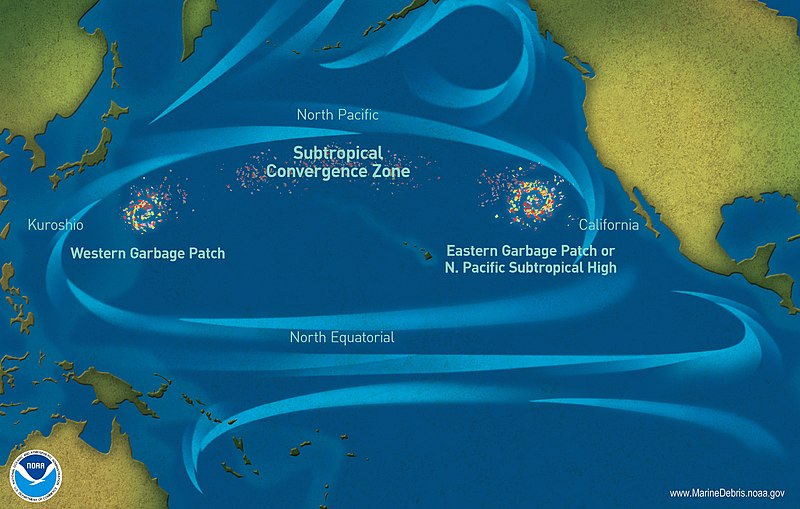
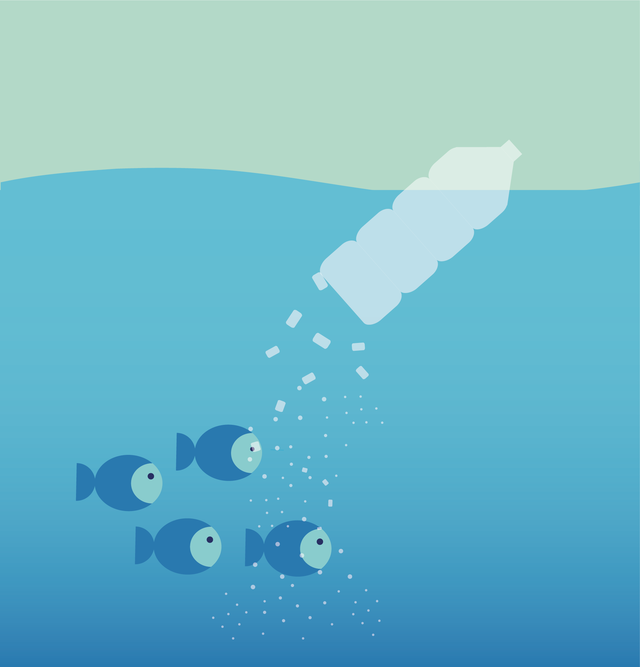
The Great Pacific Garbage Patch is a massive collection of marine debris located in the North Pacific Ocean. It is also known as the Pacific trash vortex, and it is estimated to be twice the size of the state of Texas. The garbage patch is made up of a combination of plastic waste, fishing nets, and other debris that has accumulated due to ocean currents and human activity. The majority of the debris is made up of plastic waste, which takes hundreds of years to decompose. The plastic does not acutally decompose. It become what is known as micro plastic. Microplastic then find its way into the marine life, into our rivers and eventually into our source of food. The Great Pacific Garbage Patch is a significant threat to the ecosystem and has devastatingly harmful effects on marine life.
The Great Pacific Garbage Patch has been found to have a devastating impact on marine life and the ecosystem. The plastic waste in the garbage patch is often mistaken for food by marine animals, leading to ingestion and entanglement. As new research surfaces linking plastic debris to marine species extinction, the consequences of our waste are becoming more and more devastating. The garbage patch also releases harmful chemicals into the ocean, which can affect the health of marine life and the overall ecosystem. The presence of the Great Pacific Garbage Patch poses a significant threat to the health of the oceans and the planet.Removing the Great Pacific Garbage Patch is a challenging task due to its size and location. The garbage patch is located in the middle of the ocean, making it difficult to access and remove the debris. Additionally, the plastic waste in the garbage patch is often broken down into small particles, making it challenging to remove and dispose of properly. Despite the difficulty in removing the garbage patch, it is crucial that action is taken to address this issue. The continued buildup of plastic waste in the ocean poses a significant threat to the health of the planet and its inhabitants. It is time for individuals, corporations, and governments to take responsibility for their actions and work towards a solution to this environmental crisis.
The causes of the Great Pacific Garbage Patch
The Great Pacific Garbage Patch, also known as the Pacific trash vortex, is a massive collection of marine debris in the North Pacific Ocean. The main cause of this environmental catastrophe is illegal plastic dumping by ships and industries. Since 1989, the dumping of plastics by ships has been illegal under international law, but this practice still continues today. Humans also contribute to this problem by unleashing mountains of plastic into the sea each year, and this rate is only accelerating as plastic production grows around the world. As a result, the Great Pacific Garbage Patch continues to grow, posing a significant threat to the ecosystem and the planet as a whole.
“CORPORATE GREED AND THE DESIRE FOR PROFIT ARE ALSO SIGNIFICANT CONTRIBUTORS TO THE GREAT PACIFIC GARBAGE PATCH.” Industries continue to produce excessive amounts of single-use plastics, which are often discarded after just one use and end up in the oceans. This disgusting desire for profit overlooks the environmental impact of these products and prioritizes financial gain over the health of the planet. As new research surfaces linking plastic debris to marine species extinction, the consequences of our waste are becoming more and more devastating.
Finally, a lack of proper waste management and recycling exacerbates the problem of the Great Pacific Garbage Patch. Many countries lack the infrastructure to properly manage and dispose of waste, leading to an accumulation of plastic debris in the oceans. An aerial survey conducted in 2016 found that the garbage patch was far worse than previously thought due to a larger mass of fishing nets, plastic bottles, and other debris. It is crucial that we address this issue by implementing better waste management practices and reducing our reliance on single-use plastics to protect the oceans and the planet for future generations.
The need for urgent action to save the planet and its inhabitants
The Great Pacific Garbage Patch, also known as the Pacific trash vortex, is a massive collection of marine debris in the North Pacific Ocean. The human impact on the oceans and ecosystems is becoming increasingly apparent, with plastic waste being a major contributor to the destruction of marine life and habitats. Plastic waste not only threatens the existence of marine species but also pollutes our drinking water and food sources. As new research surfaces linking plastic debris to marine species extinction, it is clear that the consequences of our waste are becoming more and more devastating. It is essential to preserve the oceans and ecosystems for the sake of our planet and future generations.
The human and economic costs of inaction are significant. The destruction of ecosystems and the loss of biodiversity can lead to food and water scarcity, as well as increased risk of disease and natural disasters. Furthermore, the economic impact of environmental destruction is immense, with estimated costs of up to $20 trillion by 2050 if action is not taken. It is crucial to recognize the urgency of the situation and take immediate action to address the issue.
The need for corporate and government accountability and responsibility cannot be overstated. Corporations must be held accountable for their role in the destruction of the environment and must take steps to reduce their environmental impact. Governments must also take responsibility for their role in allowing illegal plastic dumping and failing to enforce regulations. It is time for a collective effort to address this global crisis and work towards a sustainable future. As the consequences of our actions become more apparent, it is clear that the dollar should not be more important than human life or the earth.
Please leave your thought or comments below.